Tips on How to Reduce Your Air Conditioner Energy Consumption
Cooling is one of the biggest contributors to household power bills, especially in the warmer months. Australian households spend about 40% of their energy on heating and cooling appliances.
Reducing your air conditioner’s energy consumption can be as simple as looking at your daily habits. Here are some small changes that you can make to bring down energy usage and save on your electricity bills.
Key Takeaways
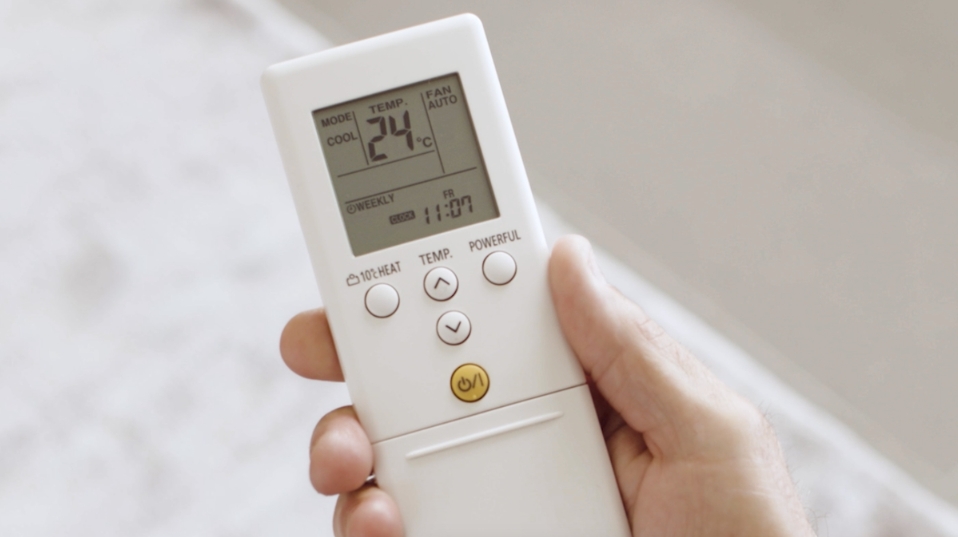
Set cooling to 25 to 27°C and let the system hold a steady temperature.
Use ceiling fans with your air conditioner so you can circulate the cold air quicker to the rest of the room
Clean filters regularly and keep the outdoor unit clear so airflow is not restricted.
Use timers, schedules and smart controls to avoid cooling an empty house.
Before you upgrade, check the Zoned Energy Rating Label (ZERL) to compare efficiency and running costs.
Make sure you have the right-size system for your home.
Set the Right Temperature and Let It Run
The ideal summer cooling range is 25-27°C. It keeps the temperature pleasant without overworking the air conditioner.
You might think setting the unit to 18°C is better for your comfort, but blasting it hard for a short time, then turning it off and repeating the same cycle won’t cool the room faster or more efficiently. Instead, you’ll just increase the load on the system.
Modern inverter air conditioners are particularly effective at adjusting their output as the room gets closer to the set temperature. Instead of stopping and starting your air con, it’s best to choose a sensible, steady temperature setting that will use much less energy.
See how you can reduce long-term running costs with this article: Saving Money with an Efficient Unit.
Use Ceiling Fans to Feel Cooler for Less
A ceiling fan can help your air conditioner run more efficiently by moving cool air around the room. While the fan does not lower the room temperature, it helps people feel cooler. This means you may be able to set the air conditioner a degree or two higher while staying comfortable.
For example, instead of cooling the room to 23°C, you may feel just as cool at 25 or 26°C with the ceiling fan running. That reduces the load on the air conditioner and can help lower energy use over time.
Just remember to turn the fan off when no one is in the room. A fan cools people, not empty spaces.
Block the Heat Before It Gets Inside
Your air conditioner uses less energy when there is less heat to remove. The aim is to stop heat entering the home before the system has to deal with it.
These tips can help to keep the heat out and the cool in:
Close blinds and curtains on sun-facing windows during the hottest parts of the day. This is especially useful for west-facing rooms that heat up in the afternoon.
External shading can also help. Awnings, shade sails, trees and outdoor blinds can reduce heat before it reaches the glass.
Check gaps around doors and windows. Warm air entering through small gaps can make the system work harder. Door seals, weather strips and draught stoppers are simple ways to reduce unwanted heat transfer.
Keep windows and external doors closed while the air conditioner is running. Open them only when the outside air is cooler.
Only Cool the Rooms You Are Using
The more space your air conditioner has to cool, the harder it will work.
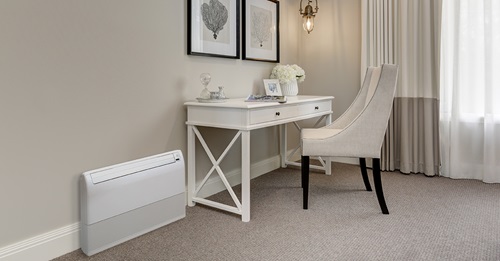
So, if you have a split system in one room, close the doors to any rooms and hallways you aren’t using. This keeps cool air in the area where people actually are.
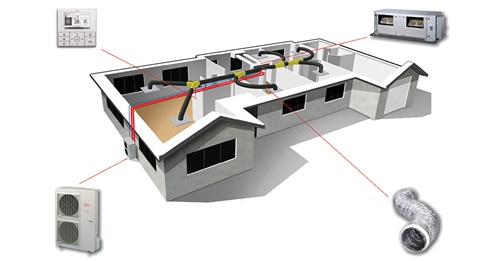
For ducted systems, use zoning where available. You might cool the living area during the day, then switch to bedrooms at night. This approach is more practical than cooling the whole home all the time.
GENERAL’s range of single-room and multi-room solutions gives homeowners options for different layouts, room sizes and usage patterns.
Keep Your Air Conditioner Clean and Serviced
A dirty air conditioner also has to work harder. When filters are blocked with dust, airflow drops. The system may then need to run longer to achieve the same result.
Check and clean filters regularly during heavy-use seasons. In summer, this could mean every few weeks, especially in homes with pets, dust or frequent use. You can clean the filters yourself, but always follow the manufacturer’s instructions.
The outdoor unit also needs clear airflow. Keep it free from leaves, grass, dirt and debris. If the unit is blocked, it can lose efficiency and place more strain on the system.
A professional service will keep the system running properly. Service technicians check electrical parts, drainage, refrigerant performance, airflow and general condition. They can also pick up small faults before they become more expensive problems.
For most homes, a yearly clean and service is fine. Read our air conditioner servicing tips for more guidance.
Make the Most of Timers and Smart Controls
Timers and smart controls can help reduce air conditioner energy consumption. They also stop the system from running longer than it needs to.
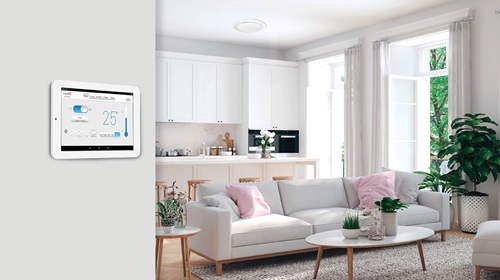
A timer or smart controller with Geolocation feature could turn the air con on before you arrive home and then turn it off after you leave or once the house has cooled down. This avoids cooling an empty home for hours.
Wi-Fi and smart controls add more flexibility. You can change settings from your phone when you are not at home. You can program it to turn on so it’s cool when you walk in the door. Or if plans change, you can delay cooling until you’re closer to arriving home.
Read more about it in How Smart Climate Control Works or take a look at GENERAL’s anywAiR Wi-Fi technology.
Check the Energy Rating Before You Upgrade
If your current air conditioner is old, unreliable or expensive to run, it may be worth considering an upgrade.
The Zoned Energy Rating Label (ZERL) helps compare efficiency across hot, average and cold climate zones. This gives a clearer picture of how a system is expected to perform in Australian conditions.
More stars generally mean better efficiency and lower running costs, but size still matters. A unit that is too small may need to run more often. A unit that’s too large may short-cycle (switching on and off too often). Both can waste energy and reduce comfort.
Modern inverter air conditioner systems are designed to adjust output based on demand. When correctly sized and installed, they can use significantly less energy compared to older or poorly matched systems.
Before upgrading, compare:
Zoned Energy Rating Label stars for your climate
Cooling capacity
Estimated annual energy use
Room size and layout
Insulation and window exposure
Warranty and servicing support
Installation quality
See how understanding the Zoned Energy Rating Label could help reduce air conditioner energy consumption.
Frequently Asked Questions
Is it cheaper to leave my air conditioner on all day or turn it on and off?
Usually, it is cheaper to turn your air conditioner off when you do not need it, rather than leaving it running all day.
However, there is an important exception: if you are only going out for a short time, leaving an inverter air conditioner running at a higher temperature can sometimes be more efficient than switching it off and then cooling the room from scratch.
A simple rule of thumb if you are away for less than 1 hour leave it running, but raise the set temperature.
Does the size of my air conditioner affect energy consumption?
Yes. A unit that is too small may run constantly. A unit that is too large may short-cycle. Correct sizing helps improve comfort and reduce wasted energy.
How often should I have my air conditioner serviced?
A professional service roughly once a year is a practical guide for most homes. Filters should also be checked and cleaned regularly, with GENERAL recommending cleaning air filters every two weeks under normal operating conditions. More frequent cleaning may be required in dusty environments or during periods of heavy use.
Are there rebates available for energy-efficient air conditioners in Australia?
Some state and territory schemes may help offset the cost of upgrading to a more efficient system. Eligibility and amounts vary, so it is worth checking current details before buying. Click here to find out more about air conditioning energy rebates in Australia.
Small Changes, Cooler Home, Lower Bills
Reducing air conditioner energy consumption comes down to better habits, such as:
Setting the right temperature
Using fans to circulate the cool air
Blocking out heat before it enters your home
Cooling only the rooms you are using
Ensuring your system is regularly cleaned and serviced
Using timers and smart controls where available
When it’s time to upgrade, don’t just think about the upfront price. Make sure that you also compare efficiency, sizing and long-term running costs.
Get started by exploring GENERAL’s residential range.
For local support, please contact our team, or click here to find a stockist or get a quote.

Helpful Articles
Helpful articles and tips on how to keep your home and office comfortable all year round.
.tmb-tmb420.jpg?sfvrsn=5c4be2e1_1)