What is Smart Climate Control and How Does It Work?
Key Takeaways
A smart climate control system connects your air conditioning to apps and smart home platforms, allowing remote access, automation and voice control.
It improves air conditioner efficiency by using features like scheduling, zoning and automation to prevent unnecessary energy usage.
GENERAL’s (formerly Fujitsu General) anywAiR® technology, has options for both ducted systems (via zoning) and split systems.
Smart climate control systems bring the latest technical advancements to your home air conditioner. Using sensors, automated processes and connected features, a smart air conditioning system creates an optimal level of comfort, convenience and efficiency for your household.
In this guide we’ll provide a comprehensive overview of smart air conditioning systems, as well as an introduction to our units equipped with GENERAL (formerly Fujitsu General) anywAiR technology.
What is a Smart Climate Control System?
A smart climate control system allows you to manage your home’s temperature, airflow and comfort settings remotely or automatically using a smartphone, tablet or voice assistant. Rather than manually adjusting your air conditioner, a smart climate control uses Wi-Fi connectivity, sensors and automation to maintain your preferred indoor temperature with minimal effort.
Smart home climate control systems enable households to turn your air conditioning on or off, adjust temperature settings, set schedules and monitor energy usage from anywhere. You can also use automation rules, such as adjusting the temperature when you leave the house or turning the system on before you arrive home. More advanced systems can learn your habits and automatically adjust settings to improve comfort and air conditioner efficiency.
Smart climate control integrates seamlessly with popular platforms like Google Home, Amazon Alexa and Apple Siri, allowing for hands-free operation. For example, voice commands such as ‘set the temperature to 22 degrees’ or ‘turn on the air conditioner' will work without needing to reach for a remote.
These integrations allow your air conditioning system to work alongside other smart devices, creating a more connected and responsive home environment.
Smart Home Climate Control vs Smart Air Conditioning
While these terms are often used interchangeably, there are some significant differences:
Smart Home Climate Control System
A smart climate control system manages your indoor environment, including:
Connectivity (Wi-Fi or app control)
Integration with smart home platforms (Google Home, Amazon Alexa, Apple Siri)
Automation features like scheduling, geofencing and climate presets
Potential integration with multiple devices (air conditioners, sensors, ventilation)
This is a whole-system approach focused on optimising comfort, convenience and energy efficiency across your home.
Smart Air Conditioning
Smart air conditioning refers specifically to an air conditioner unit that has built-in smart features or can be connected to a smart controller. These features typically include:
App-based control
Remote operation
Basic scheduling
Voice assistant compatibility
This is a product-level feature, rather than a complete system.
Components of a Smart Climate Control System
A connected climate control system features a number of integrated components, which work in tandem to efficiently manage the temperature and air quality of your indoor environment.
Air Conditioning Unit
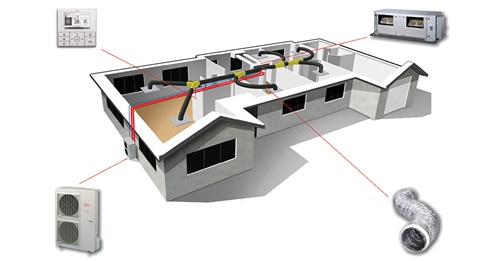
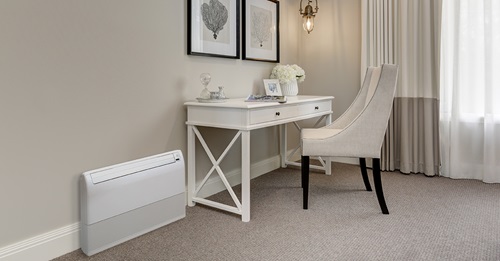
At the heart of every home heating and cooling system lies the air conditioner itself. Most systems will include both an indoor and outdoor unit, mounted in a configuration that suits the layout and requirements of your home.
Smart Thermostats
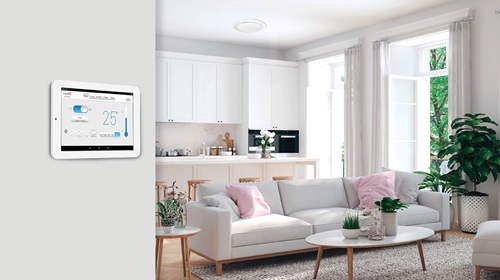
The thermostat acts as the central control unit for the system, allowing you to adjust the temperature setting. In addition to the main control panel, users can set the temperature in various rooms or zones using a smartphone or unit-specific controller.
Smart Sensors
A smart climate control system features a number of different sensors, including:
Temperature sensors to monitor indoor temperatures
Humidity sensors to detect the level of ambient moisture
Occupancy sensors to identify whether a room is vacant or in use
Wi-Fi Module
The Wi-Fi module is what sets a General Airstage (formerly Fujitsu) smart air conditioner apart from a regular system. By enabling wireless connectivity between the main system and the user’s devices, the system can be monitored and controlled remotely.
Mobile Application
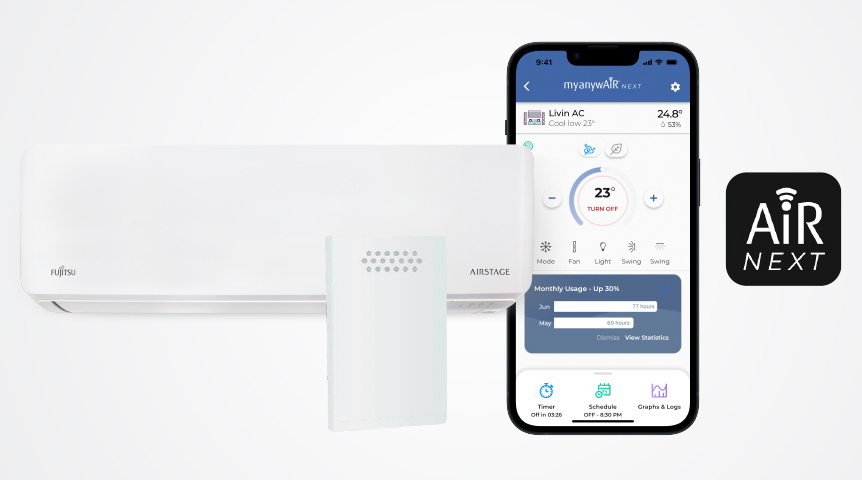
Using a compatible mobile application, such as the GENERAL myanywAiR Next app, users can access a range of functionalities of their smart climate control system, including temperature settings, timers and schedules, and any other notifications that have been configured.
Air Filtration System
Like most air conditioning systems, a smart air conditioning unit features air filtration to keep pollutants and dust particles out of your home. Additionally, the GENERAL myanywAiR Next app, along with AI, will remind the user to clean their air conditioner filters at certain intervals based on the user's air conditioner usage.
How Do Smart Climate Control Systems Operate?
Air conditioning systems equipped with smart climate control balance user inputs with information collected from sensors to optimise the indoor temperature, humidity level and air quality of your home.
Smart sensors analyse and monitor room temperatures
The smart sensors in your air conditioning system continuously monitor indoor temperatures, occupancy and humidity levels while the unit is operational. The information relayed by these sensors enables the system to adjust its settings to maintain both comfort and efficiency.
Climate systems automatically adjust temperature controls based on pre-programmed settings
A smart climate system can be programmed with schedules or automated timers in its compatible mobile app. For instance, you can set a desired temperature at a particular time and the system will automatically operate to ensure your home is heated or cooled perfectly when you return.
Users control temperatures via the smart thermostat or application
Using either the control panel or the compatible app, users have full control over their smart air conditioner. Adjustments can be made to the temperature and operation status of the unit from anywhere, ensuring a comfortable yet efficient solution to year-round comfort in your home.
App features
Mobile applications, such as the myanywAiR Next app that can be used to control the General Airstage General Lifestyle Next range, enable you to control various functions of the unit, set schedules and timers, and monitor the system in real time. Additionally, you can receive notifications when filter maintenance is required, ensuring you never miss a service.
Benefits of Smart Climate Control Systems
Installing an air conditioner with smart climate control capability has a range of long-term benefits for your household, including increased comfort, potential environmental and financial savings, as well as an increase to your home’s value.
Optimised temperatures across rooms
A smart climate control system works in conjunction with zoned air conditioners to provide personalised comfort in each room. Featuring smart sensors, the system detects where heating or cooling is required, operating in each room as required based on occupancy and usage patterns.
Energy savings
Featuring smart energy-saving technology, including scheduling capabilities and intelligent automation, a connected air conditioner can significantly help reduce the energy consumption of your unit, leading to lower electricity bills and a reduced carbon footprint.
Improved air quality
The anywAIR technology Wi-Fi adaptor II makes it easy to control your air conditioner from anywhere. Set schedules, adjust settings remotely and use features like geofencing, timers and Climate React to automate comfort throughout the day. You can also monitor filters, share access with others and upgrade to Next PLUS for smart home integration and added control.
Increased home value
Potential buyers of your home may be drawn to the fact that your property already has a smart air conditioning system installed, especially if they have had previous experience with this technology. If you intend to sell your home in the near future, investing in comfort measures such as modern air conditioning systems can be a beneficial addition.
Does Having a Smart Climate Control Save Money?
Yes, a smart climate control system can help reduce your energy costs by improving how and when your air conditioning is used.
One of the biggest advantages is intelligent scheduling. Instead of running your system continuously, you can set it to operate only when needed by establishing a cooling cycle and an automatic shutdown based on the household schedule.
Smart systems can also help prevent the cooling or heating of empty rooms, which is a common source of wasted energy. With features like zoning or room-specific control (depending on the system), airflow can be directed where it’s needed, rather than conditioning your entire home.
In Australia, this aspect of efficiency really matters. Heating and cooling account for around 40% of household energy use, and inefficient usage can significantly increase energy bills. By using features like scheduling, automation and targeted control. A smart climate control system helps ensure your air conditioning isn't running longer or harder than necessary.
Operating efficiently can significantly reduce the energy bill while keeping the home at a consistent indoor temperature. While exact savings will vary, these features make smart climate control a practical way to increase savings over time.
Install a Smart Climate Control System with GENERAL
Installing smart home climate control is a simple way to enhance comfort, convenience and air conditioner efficiency in your home. Whether you’re upgrading an existing system or planning a new installation, choosing the right setup is key to getting the most out of smart technology.
For guidance and support, visit our help centre, or contact GENERAL Australia on 1300 364 484 to speak with our customer service team.
Frequently Asked Questions
Does smart climate control work with both ducted and split system units?
Smart climate control is highly versatile and can be used with both ducted and split system air conditioning.
For ducted air conditioning systems, smart climate control is typically centred around zoning. This functionality allows you to divide your home into different areas (or zones), enabling the system to control the temperature in each one independently. Instead of heating or cooling the entire house, airflow can be focused on occupied rooms, improving comfort while reducing energy use and enhancing air conditioner efficiency.
For split air conditioning systems, smart functionality is often enabled through Wi-Fi control using GENERAL’s anywAiR technology Wi-Fi adaptor II. Allowing you to control individual wall-mounted units remotely via a smartphone or tablet.
What happens to my smart home climate control if the internet goes down?
Smart home climate control systems are designed to continue operating , in situations when the internet connection goes down. However, it is important to note that there are some limitations.
The air conditioning unit itself will still function as normal using the standard remote control or wall controller. You can still turn the unit on or off, adjust the temperature and change modes, so your comfort won’t be disrupted.
However, some smart features rely on an active internet connection and may be temporarily unavailable. This can include:
App-based control from your smartphone
Voice control via Google Home, Amazon Alexa or Apple Siri
Remote access when you’re away from home
Certain automation features, such as scheduling or geofencing (depending on the system)
Once the internet connection is restored, these smart features will resume as normal.
In short, smart home climate control systems are designed to be reliable, giving you the convenience of connected features without losing core functionality if your internet drops out.

Helpful Articles
Helpful articles and tips on how to keep your home and office comfortable all year round.
.tmb-tmb420.jpg?sfvrsn=5c4be2e1_1)