Understanding Energy Efficiency for Cooling and Heating in Australia

Cooling and heating can account for a large share of household energy use in Australia, which is why energy-efficient choices can have a greater impact on your power bill than many other appliance choices.
According to the Australian Government’s YourHome guidance, cooling and heating account for around 40% of household energy use in the average home.
To help you understand what’s best for your home, we’ll cover energy efficiency standards in Australia for cooling and heating, including star ratings, the Zoned Energy Rating Label (ZERL), climate zones and what to compare before buying. Also, we’ll explain how air conditioners for energy-efficient cooling can keep your home comfortable while helping manage long-term energy use.
Want to keep costs down even further? Read How to Save Money with Energy-Efficient Air Conditioners.
In Australia, energy efficiency means more cooling or heating output for each unit of power used, providing more comfort for less electricity. Reverse cycle systems can be efficient, as they transfer heat rather than directly creating it. Inverter operation, proper sizing, zoning and smart controls all help to avoid wasted energy. Star ratings also matter, but the most relevant figure is the rating for your climate zone under the Zoned Energy Rating Label (ZERL).
What Makes a Cooling and Heating System Energy Efficient
An energy-efficient cooling and heating system can maintain your preferred indoor temperature while using less electricity. Efficiency is the ratio of the cooling or heating output to the electricity the system uses to produce it.
This is why a reverse cycle air conditioner can produce more heat energy than it consumes in electricity. It doesn’t generate heat like a simple electric heater; it transfers it.
Inverter operation
An inverter system adjusts its output to match the room’s demand. Instead of running flat out, switching off, then starting again, it can slow down and maintain a steadier temperature.
Correct sizing
Sizing matters as much as the rating. An oversized system can run inefficiently regardless of its star rating because it may cycle on and off instead of operating smoothly.
Zoning and controls
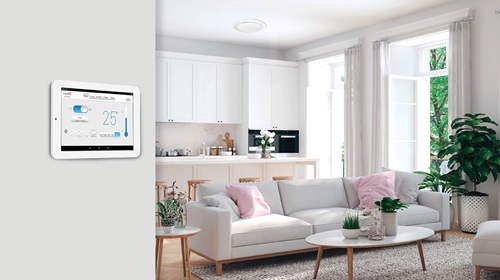
Zoning, timers and smart controls help avoid heating or cooling empty areas. This keeps comfort focused where it is needed.
How Star Ratings Work in Australia
The Zoned Energy Rating Label (ZERL) helps consumers compare the energy efficiency of eligible non-ducted air conditioners across different Australian climate zones. Ducted air conditioning systems are not currently covered by the ZERL labelling system.
For eligible air conditioners, the label provides separate seasonal efficiency ratings for:
Cooling
Heating
Hot climates
Average climates
Cold climates
The most important rating is the one that applies to where you live, as an air conditioner can perform differently in Brisbane than it does in southern locations such as Melbourne, Hobart or Canberra. Checking the rating for your climate zone gives you a more relevant indication of how efficiently a system is expected to operate in your area.
In general, more stars indicate greater energy efficiency when comparing air conditioners of a similar capacity and type.
However, a star rating should not be the only factor you consider when choosing an air conditioner. It is important to first select a system with the right capacity and features for your home, then compare the energy efficiency of similar models.
For the full breakdown of air conditioning energy efficiency in Australia, see GENERAL’s guide to Zoned Energy Rating Labels.
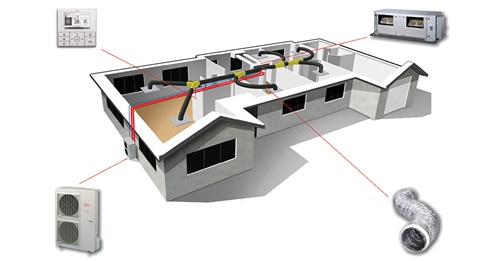
For ducted air conditioning systems, other factors such as correct system sizing, zoning, system design and installation can all play an important role in overall energy efficiency.
Efficient Heating with Reverse Cycle
Heating is a major part of energy efficiency, especially in cooler parts of Australia. A reverse cycle air conditioner heats by moving heat from outside air into the home, rather than generating warmth directly like a basic electric heater. That is why it can deliver more heat energy than the electricity it draws.
The ZERL also gives a separate heating rating. This matters because a system that performs well for cooling is not automatically the strongest option for heating. If you live in a colder climate zone, check the heating star rating for those areas before selecting a model.
Everyday Habits That Improve Efficiency
You don't have to buy a new system to improve energy efficiency.
Avoid setting extreme temperatures on your thermostat. Set a moderate temperature to reduce the amount of energy needed to maintain it.
Where appropriate, use economy mode, as this reduces unnecessary energy consumption without compromising comfort.
Close off rooms or zones you’re not using, so you’re not heating or cooling empty spaces.
Keep filters clean so air can move freely through the system.
Curtains and blinds also help by reducing heat gain in summer and heat loss in winter.
For more practical tips, see How Do I Make My Air Conditioner More Energy Efficient.
Read about Air Conditioning Rebates in Australia for incentive information.
FAQs
What does 'energy-efficient' actually mean for an air conditioner?
An energy-efficient air conditioner delivers heating or cooling while using electricity efficiently.. In practical terms, that means it can provide the same comfort with lower running costs. It does not mean weaker performance.
Is a higher star rating always the better choice?
Not necessarily. A correctly sized system with a moderate rating will usually perform better than an oversized system with a high rating. Also, make sure you compare the star rating for your climate zone, not just the highest number on the label, for greater energy efficiency in Australia.
How much can an energy-efficient system save on running costs?
Potential savings depend on the system’s capacity, star rating, climate zone,hours of use, electricity prices, thermostat settings, home insulation and installation and system design. The estimated annual energy consumption figure on the Zoned Energy Rating Label can help you compare similar eligible models.
For more detail, read about Energy-efficient Split Systems and Running Costs.
Where to Start with an Energy-Efficient System
Choosing an energy-efficient air conditioner starts with understanding your home's heating and cooling requirements.
Look for a system that:
Is appropriately sized for your home
Offers suitable heating and cooling capacity
Has strong energy efficiency ratings for your climate zone
Includes features that suit how you use your home
Can be installed and configured correctly
Remember that the highest star rating is only one part of the decision. Your climate, home design, insulation, system size and usage habits can all influence your overall energy consumption.
Explore GENERAL’s whole home solutions and the most energy-efficient air conditioners in Australia to see which system suits your home, then speak to an authorised stockist about sizing.

Helpful Articles
Helpful articles and tips on how to keep your home and office comfortable all year round.
.tmb-tmb420.jpg?sfvrsn=5c4be2e1_1)