The Ultimate Guide to the Most Energy-Efficient Air Conditioners in Australia

Choosing the best energy-efficient air conditioner can have a significant impact on your home’s comfort and energy bills. With rising energy costs and growing awareness around sustainability, many Australian households are looking for cooling solutions that deliver strong performance while using less power.
Many modern systems are also designed as energy-efficient reverse-cycle air conditioners, meaning they can cool your home in the summer and provide heating in the winter while maintaining strong energy performance.
In this guide, we explore what makes an energy-efficient air conditioner and how to identify the most energy-efficient air conditioners available in Australia. We’ll explain the key technologies, features and rating systems to look for, along with practical tips to help you choose a system that keeps your home comfortable while reducing energy consumption.
Why Energy Efficiency is Critical
Cooling and heating can account for a large share of household electricity usage, meaning your air conditioner efficiency can directly impact both your power bills and the environment.
Modern air conditioners are designed to deliver strong performance while using less electricity. This allows households to stay comfortable without unnecessary energy consumption. Choosing an energy-saving air conditioner can reduce running costs over time and also support broader efforts to lower energy demand and carbon emissions.
What is the Zoned Energy Rating Label (ZERL)?
The Zoned Energy Rating Label (ZERL) is Australia’s official energy rating label for air conditioners. It shows how efficiently a system performs in different Australian climate zones and provides a simple star rating to help consumers compare models. The label is designed to make it easier to identify energy-efficient air conditioners, allowing homeowners to choose systems that deliver strong performance while using less electricity.
ZERL applies to many modern air conditioning systems, including the most efficient reverse cycle split systems and multi-systems. It highlights both heating and cooling efficiency so you can understand how a system will perform throughout the year. While ducted systems must still meet strict Minimum Energy Performance Standards (MEPS) to be sold in Australia, displaying the star rating label is voluntary for them — unlike the mandatory label on split systems.
How to Read the Stars
The ZERL label displays two separate star ratings.
Blue stars represent cooling efficiency.
Red stars represent heating efficiency.
The more stars shown on the label, the more efficiently the air conditioner operates. A higher star rating generally means the system uses less electricity to deliver the same level of heating or cooling.
Under the current rating system, appliances can achieve up to 10 stars, which indicates super-efficient performance.
The Three Climate Zones: Hot, Average and Cold
Australia has a wide range of climates, so the ZERL label shows air conditioner efficiency across three climate zones:
Hot – typically tropical and northern regions
Average – temperate climates common in many populated areas
Cold – cooler southern and alpine regions
Each zone displays a star rating to indicate expected efficiency in that environment. This helps homeowners select a system suited to their local conditions rather than relying on a single national rating.
You can learn more about how the label works on the Australian Government Energy Rating website.
Energy-Efficient Residential Air Conditioners
When searching for an energy-efficient air conditioner, it helps to understand the main system types available. Residential air conditioning systems vary in how they distribute cooling, how much space they serve and how efficiently they operate.
The most common options are split system air conditioners, ducted systems or multi-room systems. Each can deliver excellent performance when correctly sized and installed. The best choice depends the size and layout of your home, how many rooms you want to heat or cool and how you plan to use the system each day.
Energy Efficient Split System
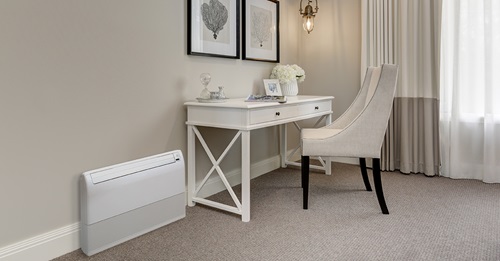
The most energy-efficient split system air conditioners are popular in Australian homes. These systems consist of an indoor unit and an outdoor compressor connected by refrigerant piping.
Because a split system air conditioner is designed to condition a specific area rather than the entire home, it can help reduce energy consumption by delivering comfort only where it's needed. This makes it an ideal choice for bedrooms, living rooms, home offices and other frequently used spaces, while avoiding unnecessary energy use in unoccupied rooms.
Modern split systems also feature inverter technology, which allows the unit to adjust output based on real-time temperature conditions. This helps maintain consistent comfort while improving overall efficiency, making them a popular choice for households seeking the best energy-efficient split system air conditioner for everyday use.
GENERAL AU’s Lifestyle Next Range
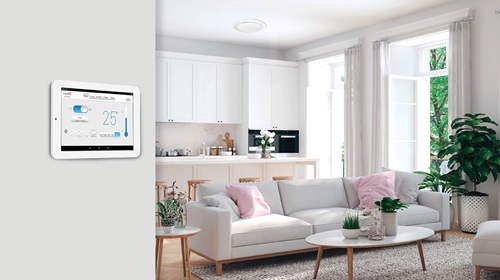
GENERAL Australia’s (formerly Fujitsu General) Lifestyle Next range of wall-mounted split system air conditioners is designed to deliver efficient heating and cooling for modern homes. These wall-mounted systems combine advanced inverter technology with smart design to help maintain comfort while keeping energy use under control.
The Lifestyle Next range features quiet operation, advanced air filtration and intuitive controls, making it an ideal choice for bedrooms, living areas, home offices and other individual spaces. By delivering precise temperature control only where it's needed, these energy-efficient split system air conditioners help households maximise comfort while managing energy use more effectively.
Ducted and Multi Systems
For larger homes or households that want a more integrated solution, ducted and multi-systems can provide efficient whole-home climate control. These systems are designed to distribute air across multiple rooms while maintaining consistent indoor comfort.
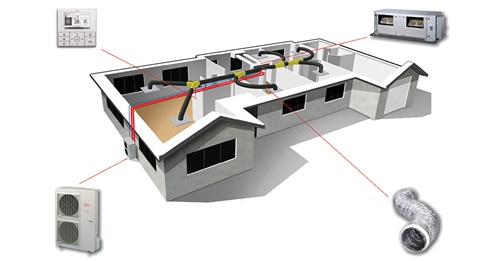
Ducted systems operate through concealed ceiling ducts and can deliver heating and cooling throughout the home. When designed and installed correctly, an energy-efficient ducted air conditioner can provide reliable comfort while helping households manage long-term running costs. Multi-systems connect multiple indoor units to a single outdoor unit, allowing several rooms to be cooled independently.
Both options can offer strong efficiency benefits. Features such as zoning and inverter technology allow homeowners to manage energy-efficient ducted air conditioning more effectively by cooling only the areas that are in use.
GENERAL AU’s Ducted Whole Home Solutions
GENERAL Australia’s Whole Home Solutions are designed for homeowners who want seamless climate control across the entire house.
These systems provide a powerful, energy-efficient air conditioner solution that can deliver consistent comfort across multiple rooms.
Installed within the ceiling space, ducted systems keep indoor units hidden while delivering even airflow throughout the home. Zoning options allow users to control different areas independently, which supports more energy saving by reducing cooling in unused spaces.
Whole Home Solutions combine strong performance with quiet operation, making them ideal for larger homes that require dependable and efficient temperature control year-round.
GENERAL AU’s Multi Systems R32
GENERAL Australia’s Multi Systems R32 provide a flexible solution for homes that require cooling across multiple rooms without installing several outdoor units.
With a single outdoor unit supporting multiple indoor units, these systems can cool or heat several areas of the home independently. This allows homeowners to tailor comfort room by room while managing energy use more effectively.
The use of R32 refrigerant and advanced inverter technology helps deliver efficient operation, making Multi Systems R32 a practical choice for households looking to balance comfort, flexibility and energy performance across multiple living spaces.
Energy Efficient Commercial Air Conditioners
For commercial environments, energy efficiency is closely tied to operational costs, reliability and long-term performance. Businesses often run air conditioning systems for extended hours, which means inefficient equipment can quickly lead to higher electricity expenses and increased maintenance requirements.
Modern energy-efficient commercial air conditioners are designed to deliver consistent climate control while minimising power consumption across large or complex spaces. For offices, retail spaces, healthcare facilities and hospitality venues, scalable systems that can adapt to changing occupancy and usage patterns are especially valuable.
Solutions such as Variable Refrigerant Flow (VRF) systems allow businesses to manage multiple zones from a central system while maintaining strong efficiency and flexibility. These systems are often preferred in commercial settings because they can support large buildings, reduce energy waste and provide precise temperature control across different areas.
AIRSTAGE VRF Indoor and Outdoor Systems for Medium to Large Enterprises
For medium to large commercial buildings, VRF technology is widely recognised as one of the most efficient air conditioners available. VRF systems regulate refrigerant flow to multiple indoor units, allowing each zone to operate independently while maintaining overall system efficiency. This approach helps reduce energy consumption while ensuring comfortable conditions throughout the building.
GENERAL’s Airstage VRF indoor units are designed to deliver flexible climate control across a wide range of commercial environments. Paired with powerful Airstage VRF outdoor systems, they provide scalable solutions that can support offices, hotels, shopping centres and other large facilities.
Airstage VRF systems offer precise temperature control, quiet operation and the ability to connect multiple indoor units across different zones. This allows businesses to optimise comfort while maintaining strong energy efficiency and controlling long-term operating costs.
Frequently Asked Questions
What is the most energy-efficient temperature for air conditioning?
For cooling in Australia, 24°C is widely considered the most energy-efficient temperature. This setting provides comfortable indoor conditions while avoiding excessive energy use from overly low settings. Every degree lower can increase electricity consumption, so maintaining a moderate setting helps keep running costs under control.
For heating, most experts recommend a setting between 18–21°C. This range provides comfortable warmth without placing excessive demand on the system. Choosing moderate temperatures for both heating and cooling is one of the simplest ways to improve energy efficiency while maintaining comfort throughout the year.
Are 5-star or 6-star air conditioners worth the extra cost?
Air conditioners with higher star ratings, such as 5-star to 6-star models, generally cost more upfront. However, they are designed to use significantly less electricity to deliver the same level of heating or cooling.
For households or businesses that rely on air conditioning frequently, the long-term savings on electricity bills can often outweigh the higher purchase price. Over the lifespan of the system, reduced energy consumption can make higher-rated units a worthwhile investment, especially in climates where cooling or heating is used for extended periods each year.
Does the size (kW) of the unit affect energy efficiency?
Yes, choosing the correct system size is essential for energy efficiency. Air conditioner capacity is measured in kilowatts (kW), and selecting the right size ensures the system can heat or cool a space effectively.
An undersized unit will struggle to reach the desired temperature and may run continuously, using more energy than necessary. On the other hand, an oversized system can cool or heat the space too quickly and then switch off repeatedly, a process known as short cycling, which also wastes energy and reduces efficiency.
Correct sizing based on room size, insulation and climate conditions helps ensure the system runs smoothly and efficiently.
Investing in Sustainable Comfort with GENERAL Australia
Choosing an energy-saving air conditioner is an investment in both long-term comfort and lower running costs. By understanding energy ratings, selecting the right system type and ensuring the unit is properly sized for your space, households and businesses can significantly reduce energy consumption while maintaining reliable climate control.
GENERAL Australia offers a wide range of solutions designed to balance performance, efficiency and durability. Whether you’re upgrading an existing system or planning a new installation, selecting the right air conditioner can help support more sustainable and cost-effective cooling and heating.
To find the most suitable system for your needs, use the General Assist (formerly Fujitsu General Assist) Product Selector Tool or contact GENERAL Australia on 1300 364 484 to speak with our customer service team.

Helpful Articles
Helpful articles and tips on how to keep your home and office comfortable all year round.
.tmb-tmb420.jpg?sfvrsn=5c4be2e1_1)