How Much Does Ducted Air Conditioning Cost to Install in Australia?
Key Takeaways
Ducted aircon costs in Australia typically range from $6,000 to $20,000 or more, depending on home size, system capacity, and installation complexity.
The main cost drivers include system size (kW), number of zones, roof access and whether it’s a new installation or replacement.
Quality air conditioner systems from brands like GENERAL Airstage (formerly Fujitsu General) help offset upfront costs by being designed for long-term efficiency, which lowers running expenses.
Ducted systems are ideal for larger homes, while smaller spaces may benefit from more cost-effective alternatives like split systems.
Always get 2–3 quotes from licensed installers and confirm what’s included, such as supply, installation, zoning and commissioning.
How much a ducted air conditioner costs to install is a common question for homeowners considering an upgrade, especially since it varies significantly depending on your home and requirements. As a larger investment, it’s important to understand what you’re paying for. This guide breaks down the key factors that influence your final ducted aircon cost, helping you to plan and budget accordingly.
How Much Does Ducted Air Conditioning Cost to Install?
The cost of installing ducted air conditioning generally comes down to the size of your home, as larger spaces require more powerful systems, additional ducting and more complex installation. GENERAL systems typically sit in the mid-to-premium range, offering strong long-term value through energy efficiency, reliability and consistent performance over time.
Home Size | Estimated Supply & Install Cost |
Small home (up to 150m²) | from $8500 installed |
Medium home (150–250m²) | from $11,500 installed |
Large home (250m²+) | from $15,500 installed |
Note: These are indicative ranges only and vary by state, installer and system brand.
What Affects the Cost of Ducted Air Conditioning?
Several factors influence the overall ducted aircon cost, from the size of your home to the complexity of the installation. Understanding these can help you better estimate your budget and choose the right system for your needs.
Home Size and System Capacity (kW)
Larger homes require higher capacity systems, which increase the overall cost. System size is measured in kilowatts (kW), which indicates how much heating or cooling power the unit can deliver. The bigger your space, the higher the kW required, and the more expensive the system and installation.
Number of Zones
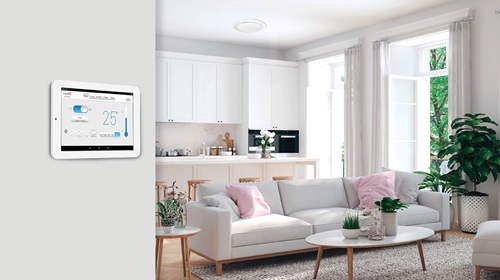
Zoning allows you to independently control the airflow to different areas of your home, so you only heat or cool the rooms you're using. While adding more zones increases the upfront installation cost, it can improve energy efficiency and help reduce running costs over time.
As a general guide in Australia:
Additional zoning | Typical extra cost |
Additional zone (during new installation) | $300–$600 per zone |
Smart zone control upgrade | $400–$800 |
Retrofitting an extra zone to an existing system | $400–$900+ per zone |
New Installation vs Replacement
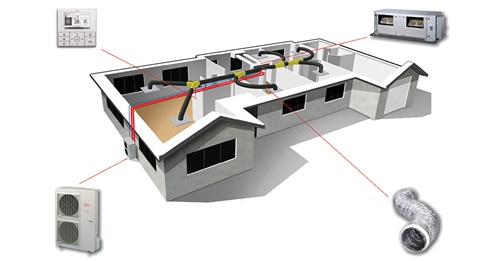
Installing ducted air conditioning in a home without an existing system is usually pricier than replacing an existing system. New installations may require additional ductwork, electrical upgrades and structural considerations. Replacements are generally more straightforward, especially if the existing infrastructure is still in good condition.
Roof and Ceiling Access
The accessibility of your roof space can significantly impact installation costs. Homes with limited access, low roof pitch or tight ceiling cavities may require more labour time and specialised installation techniques, increasing the overall price.
Location and Labour Rates
Installation costs can vary by location. Major cities like Sydney and Melbourne often have higher labour rates compared to regional areas, which can increase the total ducted aircon cost.
Brand and System Quality
The brand and quality of the system you choose will also affect the price. Entry-level systems may have a lower upfront cost, but can result in higher power costs and shorter lifespans. Investing in a trusted brand like GENERAL offers a balance of performance, reliability and long-term value, supported by strong after-sales service and support.
Are There Any Additional Costs to Consider?
When budgeting for ducted air conditioning, you should account for costs that the initial quote may not always include. Being aware of these upfront helps avoid surprises later.
Common additional costs can include:
Electrical upgrades
Older homes may require a switchboard upgrade to support a new ducted system safely.Plastering and repainting
Installation can involve cutting into ceilings or walls, which may require patching and repainting afterwards.Ongoing servicing and maintenance
Regular servicing helps maintain performance, efficiency and system lifespan.Extended warranty options
Some homeowners choose to extend their warranty for added peace of mind and long-term protection.Smart controller and zoning upgrades
Adding smart controls or advanced zoning can increase upfront costs but improve convenience and efficiency.
Being transparent about these factors ensures you have a clearer understanding of the total ducted aircon cost.
Is Ducted Air Conditioning Worth the Cost?
Ducted air conditioning is a significant investment, but for many Australian homeowners, the long-term benefits make it worthwhile.
One of the biggest advantages is whole-home comfort. Instead of managing temperature room by room, ducted systems provide consistent cooling or heating across your entire home, creating a more seamless and comfortable living environment.
With the addition of zoning, you can also improve energy efficiency by only conditioning the areas you use. Over time, this can help reduce running costs, particularly when paired with a high-quality, energy-efficient system.
Ducted air conditioning can also add value to your property. Many buyers see it as a premium feature, especially in larger homes, making it a strong selling point in the Australian market.
It also delivers consistent comfort across multiple rooms and levels, which is particularly beneficial in double-storey homes or open-plan layouts.
Invest in Long-Term Comfort and Efficiency
While other systems may suit different needs, a properly sized and professionally installed ducted home air conditioning system offers a long-term solution for comfort and efficiency. A quality system from a trusted brand like GENERAL can deliver reliable performance and strong value over 10–15 years, making it a worthwhile investment for the right home.
To find the right system for your home, use the GENERAL Assist (formerly Fujitsu General Assist) Product Selector Tool. For expert advice and a tailored solution, contact GENERAL Australia (formerly Fujitsu General) on 1300 364 484 to speak with our customer service team.

Helpful Articles
Helpful articles and tips on how to keep your home and office comfortable all year round.
.tmb-tmb420.jpg?sfvrsn=5c4be2e1_1)