12 kW Air Conditioner Consumer Guide
A 12 kW air conditioner refers to the system’s cooling or heating output. In simple terms, it tells you how much capacity the unit has to manage indoor temperature across a room or space.
This type of system suits open-plan living areas, multi-room setups and some whole-home solutions, depending on the property layout and installation type.
This guide will help you to understand what home a 12 kW air conditioner is most suited for, how running costs are estimated, what power use really means and what to consider before installation.
Key Takeaways
The 12 kW rating refers to heating or cooling output, not hourly electricity use.
Correct sizing matters because an oversized system can short cycle, waste energy and cost more upfront.
A 12 kW system is usually ducted, cassette or multi-room rather than a standard wall-mounted split system.
Single-phase and three-phase options can both suit 12 kW systems, depending on the home’s electrical supply.
A licensed air conditioning installer should assess the home before confirming system size and installation price.
What Size Space Does a 12 kW Air Conditioner Suit?
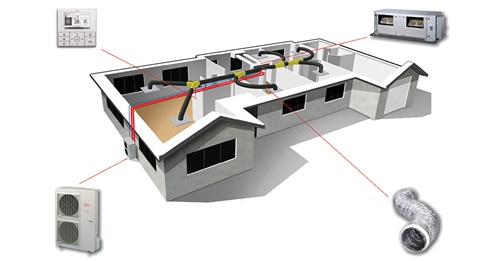
A 12kW air conditioner is usually a ducted system, a cassette or part of a multi-room air-conditioning system and is suitable for spacious open-plan living areas or compact homes . For whole-home comfort, ducted whole-home systems are the practical option. This figure should be taken as a guide only. Capacity depends on the home’s layout, ceiling height, insulation, window size, window direction, local climate and the number of areas that need to be cooled simultaneously.
Correct sizing of the system also matters. If it’s too small, it can struggle to keep up. When the capacity is too high, it can waste energy and lead to higher upfront costs.
When a 12 kW Air Conditioner Is Too Big
If a 12 kW air conditioner is bigger than what’s needed for the space, it can cool the room too quickly, then switch off before it has run long enough to work efficiently.
This can cause a couple of issues:
Short cycling: the system turns on and off in short bursts, which can waste energy
Poor humidity control: the room may feel cold but still damp or clammy
Uneven comfort: extremes of hot and cold
Higher running costs: frequent starting and stopping can use more power than steady operation
More wear on the system: repeated cycling can place extra strain on parts over time
Higher upfront cost: you may pay more for capacity you do not need
A correctly sized system usually holds a steadier temperature, manages humidity better and costs less to run over time. The General Assist Product Selector can help as a sizing guide, but it is important to note that it is best to consult with a licensed and qualified installer.
Typical Electricity Consumption of a 12 kW Unit
The 12 kW figure is the air conditioner’s cooling or heating output. It’s not the amount of electricity the unit draws from the power supply.
This is an important difference. Air conditioners are rated by the heating or cooling they deliver, not by their hourly electricity use. A 12 kW air conditioner has a cooling capacity of up to 12 kW, but this does not mean it uses 12 kW of electricity. Its electrical power input is generally lower than its cooling output, with the difference determined by the system’s energy efficiency and operating conditions.
This is because reverse cycle air conditioners do not create cooling or heating in the same way a basic electric heater creates heat. They move heat from one place to another. In cooling mode, the system moves heat from inside the home to outside. In heating mode, it reverses the process and moves heat from outside air into the home.
Since the system is moving heat instead of producing it, it can deliver several times more heating or cooling output than the electricity it consumes.
To estimate running cost, use the unit’s input power from the product specifications. Look for terms such as input power, rated power input, cooling input or power consumption.
The formula for running costs is:
Input power in kW × hours of use × electricity tariff = estimated running cost
For example:
3.5 kW × 4 hours × $0.35 per kWh = $4.90*
*This provides a simplified estimate only. Inverter air conditioners can vary their power consumption depending on the temperature, load and operating conditions.
Actual running costs vary based on the model, thermostat setting, outside temperature, insulation, zoning and electricity tariff.
Single-Phase and Three-Phase Power Considerations
Some 12 kW air conditioning systems can run on a standard single-phase supply. Others are available in three-phase. Here are the core differences:
Single-phase systems
A single-phase system is usually a higher-output ducted unit and not a standard wall-mounted split system. It’s designed to run on the standard single-phase power supply, which is found in many Australian homes.
These ducted air conditioning systems suit medium to spacious properties that need whole-house comfort without switching to a three-phase unit. Suitability depends on the home’s power supply, switchboard capacity, layout and installation requirements, so an installer should always confirm whether a single-phase system is the best fit.
Compare GENERAL’s single-phase ducted options.
Three-phase systems
The three-phase system is a larger-capacity unit designed to run on a three-phase electrical supply. Three-phase systems are often used for ducted air conditioning in expansive homes or higher-demand installations where the electrical load is better suited to three-phase power.
This does not automatically make the system stronger than a single-phase 12 kW unit. It simply means the system is designed for a different type of power supply.
Not every home has three-phase power. An installer can check the existing supply and confirm whether upgrades are needed. You can also compare GENERAL’s three-phase ducted options.
What Affects the Installation Cost
Installation costs vary greatly because each home is different. The main cost drivers include:
Ductwork and vent layout: more outlets, longer duct runs and complex layouts can increase labour and material costs
Indoor and outdoor unit placement: access, mounting requirements and distance between components affect the job
Electrical or switchboard upgrades: some installations need extra electrical work before the system can be connected safely
Zoning: adding zones, dampers and controllers increases upfront cost but can improve control and efficiency
Home size and layout also influence how much you would pay for installation. A simple single-storey home is usually easier to work with compared to a home with a tight roof space, multi-storey layout or limited access.
A qualified and appropriately licensed air conditioning professional can assess your home and installation requirements. for installing a 12 kW air conditioner.
If you would like to spread out the cost, GENERAL’s interest-free Cool Finance on eligible ducted systems could be an option for you.
Frequently Asked Questions
How many rooms can a 12 kW air conditioner cool?
It depends on the room sizes, the layout and how many areas need cooling at the same time. A ducted or multi-room 12kW system with zoning can serve several rooms while directing air only where needed.
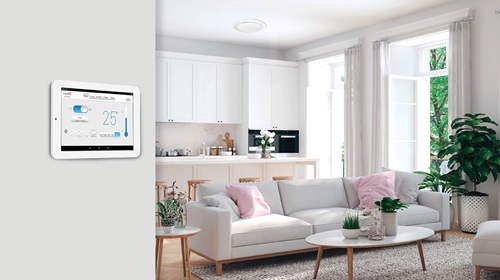
Smart ducted zone control also means that homeowners can manage selected areas from compatible devices.
Is a 12 kW air conditioner better as a ducted or single-unit system?
Ducted air conditioning is better for overall comfort in multiple rooms. It provides conditioned air through ceiling vents and is zoned to suit your family’s lifestyle.
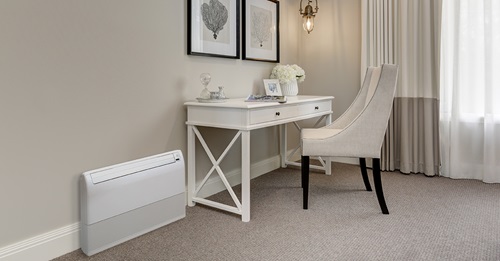
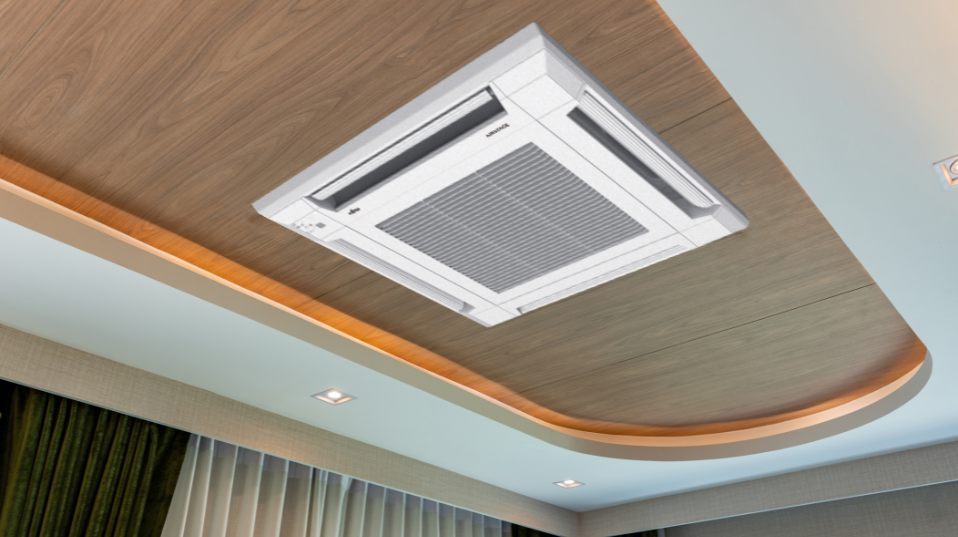
For a single open space, such as a spacious living room, a large cassette or console works well. The appropriate choice depends on the building, layout and how much of the space needs conditioning.
For rooms with substantial space, compare GENERAL’s cassette options.
What if my home needs more cooling than 12 kW?
For bigger homes, you may need a higher-capacity ducted system or a different design. This is common for homes with several generous-sized rooms, poor insulation, wide windows, high ceilings or multiple storeys.
Ducted ranges extend well beyond 12kW for larger-scale floor plans. An installer can complete a load calculation to confirm the ideal capacity.
How long does a 12 kW air conditioner take to install?
The ducted 12kW installation usually takes longer than a split system due to the ductwork, ceiling vents, controls and required electrical work.
Timing also depends on the home, access, roof space and system design. An installer can confirm the expected timeframe after inspecting the property.
Find the Right 12 kW System for Your Home
A 12kW air conditioner can be a strong option for open-plan spaces, modest homes and some multi-room layouts. But capacity needs to match the space.
The system should deliver consistent comfort while avoiding the energy waste of an oversized or poorly zoned system.
Thinking about a 12 kW air conditioner for your home? Start by exploring GENERAL’s residential range.
For local support, to find a stockist or if you’d like a quote, contact our team today.

Helpful Articles
Helpful articles and tips on how to keep your home and office comfortable all year round.
.tmb-tmb420.jpg?sfvrsn=5c4be2e1_1)