12.5 kW Ducted Air Conditioner: Whole-Home Cooling Guide

A 12.5 kW ducted air conditioner refers to the system’s cooling output. In other words, it tells you how much cooling the unit can provide to maintain indoor temperatures throughout a home.
This is a typical capacity for whole-home ducted air conditioning, particularly in medium to larger Australian homes. But size alone does not confirm suitability. The right system depends on your floor area, ceiling height, insulation, window exposure, climate, zoning needs and how your household uses each room.
So is a 12.5 kW ducted air conditioner system the right choice for your home? We’ll explain what 12.5 kW means, what kind of homes they suit, what affects performance and why correct sizing matters.
Key Takeaways
A 12.5 kW ducted air conditioner suits small to medium homes or those with open-plan areas, but sizing depends on the full layout.
Zoning directs cooling to the rooms in use, improving comfort and reducing wasted energy.
Actual power use will depend on the model, settings, outdoor temperature, insulation and the number of zones.
A professional on-site assessment is the most reliable way to confirm the right system size and get a firm quote.
What Size Home Does a 12.5 kW Ducted System Suit?
A 12.5 kW ducted air conditioner is most appropriate for small to medium-sized homes or homes with a large open-plan area. However, determining if it’s right for your needs depends on other factors, not just the floor area.
Zoned areas in your home also make cooling with a 12.5 kW ducted air conditioner more practical. Zoning means you can set the temperature in certain areas independently, rather than the entire house.
For example, you could cool living areas during the day and bedrooms at night. Zoning can also help to reduce running costs because the system is not always trying to condition every room at once.
As a rough guide, suitability depends on:
Home size and layout
Ceiling height
Insulation quality
Window size and direction
Local climate
Number of rooms being cooled at once
Whether the home is single or double storey
These should be treated as a starting estimate. For more detailed information, use the General Assist Product Selector for sizing. You can also explore GENERAL’s ducted whole-home systems to compare other suitable options.
Why Choose Ducted Over a Split System?
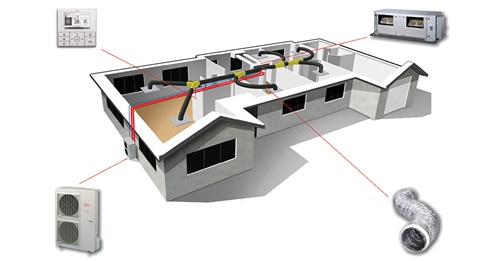
A ducted system works by sending conditioned air from one indoor unit through ceiling ducts to different rooms. Each room or area has vents in the ceiling, with the main unit usually installed in the roof space.
Ducted air conditioning also provides whole-home comfort with a clean finish. Compared with a standard split system, the main benefits are:
Aesthetics: only discreet ceiling vents are visible, with no wall-mounted indoor units in each room
Zoning: cool only the rooms in use, which helps avoid wasted energy
Airflow balance: deliver more even and consistent temperatures across multiple areas of the home
Ducted is not always the only option. Some homes may be better suited to multiple split systems, especially where roof space, budget or installation layout makes ducted systems less practical.
You can compare multi-room split alternatives if you want room-by-room control without a full ducted system.
Power Consumption of a 12.5 kW Ducted Air Conditioner
The 12.5 kW figure tells you how much cooling the system can produce. It does not mean it uses 12.5 kW of electricity.
To find the actual power draw, check:
The product specification sheet
Look for terms like:Cooling input
Rated power input
Power consumption
Electrical input
kW input
The outdoor unit nameplate
This usually lists electrical details such as input power, current and voltage.The Zoned Energy Rating Label (ZERL)
This helps compare expected efficiency and annual energy use, though it may not show real-time draw.
As a rough guide, a 12.5 kW ducted inverter system might draw around 2 to 4 kW per hour while running, depending on the model, temperature setting, outdoor temperature, insulation and how many zones are operating.
You can estimate running cost like this:
Input power × hours used × electricity tariff = running cost
Example:
3 kW × 4 hours × $0.35/kWh = $4.20
This is where the Zoned Energy Rating Label (ZERL) comes in, as it indicates efficiency in hot, average and cold Australian climate zones. A higher star rating can reduce running costs because the system uses less energy to deliver the same cooling output. Energy rating labels also help compare appliance efficiency and running costs over the life of the appliance.
Installation Considerations
A 12.5 kW ducted air conditioner system requires careful planning. The main installation factors include:
Ceiling space: there needs to be enough room for the indoor unit, ductwork and safe access
Duct runs: duct length and layout affect airflow and performance
Zoning systems: dampers and controllers are set up during installation so different areas can be managed separately
Installer assessment: a professional confirms sizing, layout, airflow requirements, electrical needs and final installation costs
A proper on-site assessment is the only way to confirm accurate sizing and get a firm quote. Online estimates are useful for early planning, but they cannot account for every detail of the home.
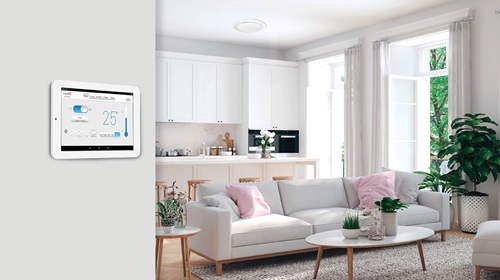
Smart controls could also be worth considering during installation. With smart ducted zone control, you can manage zones and settings more easily from compatible devices.
Because ducted air conditioning is a whole-home investment, some homeowners also look at finance to spread the upfront cost. GENERAL’s interest-free Cool Finance can make a premium ducted system easier to plan for.
Frequently Asked Questions
Can a 12.5 kW ducted air conditioner heat as well as cool?
Yes. Ducted reverse cycle systems can heat OR cool the home. They do this by reversing the refrigeration cycle, so it moves heat into the home in winter and out of the home in summer. This makes 12.5 kW ducted air conditioners a reliable year-round comfort solution.
How many zones can a 12.5 kW ducted system run?
The number of zones depends on the system, controller and home layout. An installer will usually configure zones around how the home is used, such as living areas, bedrooms and study spaces.
Good zoning is not just about the number of areas. It’s about matching airflow and capacity to real use. You can read more about this in our article: How to Zone Ducted Air Conditioning.
Is a 12.5 kW ducted system enough for a two-storey home?
It might be, but two-storey homes are more complex. Heat rises, upstairs rooms often have higher cooling loads, and it’s likely that each floor will need a different airflow.
With these factors in mind, two-storey homes might require larger-capacity ducted systems, stronger zoning or a different design altogether. A load calculation is needed to confirm the right capacity.
How long does a ducted air conditioner last?
A professionally installed and regularly serviced 12.5 kW ducted air conditioner system should last many years. Lifespan depends on usage, quality of the installation, maintenance, climate and how hard the system has to work.
Annual servicing helps protect the system’s longevity and efficiency. It also gives a technician the chance to catch small issues before they turn into larger repairs.
Find the Right Ducted System for Your Home
A 12.5kW ducted air conditioner can be a great option for whole-home cooling while avoiding energy waste, but only when the capacity, correct sizing, duct layout, efficient zoning and professional installation are taken into consideration.
To compare current options, explore our GENERAL range of single-phase ducted systems, or use the Product Selector tool.
For further information, to find a stockist or if you’d like a quote, get in touch with our team today.

Helpful Articles
Helpful articles and tips on how to keep your home and office comfortable all year round.
.tmb-tmb420.jpg?sfvrsn=5c4be2e1_1)