What is a Smart Air Conditioner?

Key Takeaways
A smart air conditioner connects to Wi-Fi, allowing control via apps, voice assistants or smart home systems.
It uses sensors and automation to optimise comfort and energy efficiency.
Features like remote access, scheduling and energy monitoring help reduce energy use and improve convenience.
Compared to standard units, smart air conditioners offer greater control and long-term efficiency benefits.
Smart aircon suits homes seeking automation and savings, while smart HVAC extends these benefits to commercial spaces.
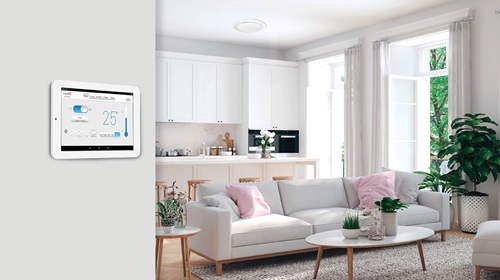
A smart air conditioning system features advanced technology that enables a GENERAL Airstage air conditioner to pair with a smart home platform. This functionality enables mobile control of the smart air conditioner unit, meaning certain features of the system can be remotely adjusted.
GENERAL (formerly Fujitsu General) is proud to be recognised as a leading manufacturer of smart air conditioners, trusted by thousands of Australian households and businesses for innovation, reliability and energy efficiency. With advanced technology and a sleek, modern design, GENERAL’s smart air conditioning systems provide precise climate control, easy app connectivity and quiet operation suited to Australian living.
GENERAL delivers intelligent climate control and comfort solutions built to perform, whether it's for cooling one room or managing multiple zones at the home or office.
How Do Smart Air Conditioners Work?
Smart air conditioning solutions are an efficient and convenient way of home heating and cooling. GENERAL’s range of anywAiR® technology controllers uses smart air conditioner features
Smart climate control works by combining user input, sensors and intelligent automation to maintain a comfortable indoor environment. Using a mobile app or smart hub. Set the preferred temperature, schedules and operating modes, while built-in sensors monitor conditions like temperature, humidity and occupancy. The system then automatically adjusts performance throughout the day, to optimise comfort and energy efficiency.
This intelligent integration allows users to adjust the temperature and other settings of their air conditioner from their mobile device. For a deeper look at how these features work across different systems, visit the General Australia’s residential smart air conditioning page.
What's the Difference Between a Smart Air Conditioner and Other Types of Air Conditioners?
The key difference between smart aircon and traditional models is their connectivity and control options. The smart air conditioner features Wi-Fi connectivity, enabling remote management via a smartphone app, voice assistant (such as Google Assistant or Amazon Alexa) or home automation system. This allows for temperature adjustment, switch modes or set schedules from anywhere — be it at work, on the go or in bed.
GENERAL provides a variety of smart climate control solutions. The anywAiR Wi-Fi adaptor II works smoothly with select air conditioners, including GENERAL’s Lifestyle Range wall mounted models. Once installed, this adaptor offers full app-based control and integrates with smart home systems to automate the household comfort settings.
In contrast, traditional air conditioners require manual operation or physical remotes and do not learn user habits, monitor energy use or adapt to environmental changes. With a smart air con system, enjoy enhanced convenience, improved energy efficiency and greater customisation, leading to a more comfortable and responsive home climate.
The Benefits of Smart Air Conditioning
There are several advantages to having a smart Wi-Fi air conditioner installed in your home. Beyond cooling or heating, these systems aim to enhance your comfort, improve energy efficiency and provide better control over indoor environments. Here are some key features you can enjoy, depending on the smart controller you choose:
Remote control
With smart connectivity, control your air conditioner from your smartphone or tablet. This enables cooling or heating the home remotely, adjusting the temperature from bed or switch it off if you forget when leaving. This convenience also ensures you don’t waste energy.
Scheduling
A smart air con lets you create customised schedules to suit your household's lifestyle and daily routine.. Set the system to cool the house before you wake up or turn it off automatically after you leave. This feature helps maximise comfort while reducing energy use during off-peak times.
Geofencing
Geofencing technology uses your smartphone’s location to automate climate control based on proximity. The system can turn on the preferred settings when not in use in unoccupied areas, it powers down, helping to reduce energy use without any manual effort.
Energy monitoring
Many smart aircons include built-in energy tracking tools that show household power usage. The system uses this information to findenergy saving tactics to lowerelectricity bills, significantly improving the household’soverall energy efficiency over time.
Air quality monitoring
Some smart systems also monitor outdoor air quality in real time, providing data to improve comfort management that enable homeowners to make informed choices about when to ventilate or run the system, especially during allergy or fire seasons.
How to Choose a Smart Air Conditioner
Is Smart Air Conditioning Right for You?
Use this quick checklist to determine the best solution for your home:
Your Lifestyle Needs
Do you want remote control via smartphone or app?
Would voice control (Google Home, Alexa, Apple Siri) improve convenience?
Do you need zoning to manage multiple rooms independently?
Would features like scheduling or automation suit your daily routine?
Your Budget
Are you looking for a cost-effective smart air conditioning option or a premium system with advanced features?
Are you willing to invest more upfront for long-term energy savings?
Would energy monitoring and automation help reduce your running costs over time?
Your Home Size and Layout
Do you need to cool one room or multiple areas?
Would a split system suit your space, or is a ducted or multi-system more appropriate?
Is your home layout suited to zoned climate control for better efficiency?
Your Comfort Priorities
Do you want consistent temperature control throughout the day?
Is improving air quality or reducing humidity an essential feature for you?
Would a system that adapts to your habits automatically enhance your comfort?
Next Steps
If you answered ‘yes’ to several of these, a smart air con could be a valuable upgrade for your home.
For help choosing the right system, explore the range of anywAiR® technology smart controllers or speak with a specialist to find a solution tailored to your space.
Build a Comfortable Home With a GENERAL Smart Air Conditioner
As Australian households become more connected and energy-aware, smart aircon presents an effective solution for comfort, convenience and climate control throughout the year. With features like remote access, scheduling, energy monitoring and air quality tracking, smart air conditioners offer advantages beyond traditional systems. Selecting a system that suits the family’s needs and lifestyle, budget, as well as home layout is a long-term investment in comfort.
Whether you need to cool a single room or manage multiple areas within the home, GENERAL’s smart air conditioning systems and anywAiR technology provide efficiency, flexibility and easy control, all with top-tier performance.
If you’d like expert guidance on choosing the right smart Wi-Fi air conditioner system for your home, want to find a stockist or explore our range of anywAiR technology smart controllers, contact GENERAL today — designed to make climate control easier, smarter and more tailored to your lifestyle.
*Humidity sensor only available with the anywAiR technology Wi-Fi adaptor II.
Smart Aircon vs Standard Aircon: Is It Worth the Upgrade?
When comparing a smart aircon to a standard air conditioner, the key difference comes down to control, efficiency and long-term value.
A smart aircon system typically has a higher upfront cost due to added features like Wi-Fi connectivity, automation and app control. However, these features can help reduce energy usage over time through scheduling, zoning and remote access, which may lead to lower running costs.
Smart air conditioning is especially beneficial for:
Households wanting greater control and convenience
Homes with varying occupancy patterns
Users looking to optimise energy efficiency
On the other hand, a standard air conditioner may be sufficient if:
Basic heating or cooling in a single space
Automation or remote access is a low priority
Usage is minimal or predictable
Ultimately, upgrading to a smart air con makes the most sense for households looking to balance comfort, convenience and long-term efficiency.
Smart HVAC Systems for Australian Homes and Businesses
While smart air conditioning is commonly associated with residential use, smart HVAC systems are also increasingly used beyondAustralian homes, including offices and light commercial environments.
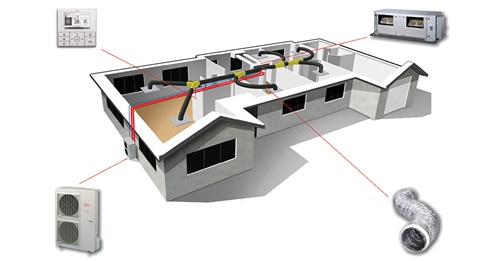
Smart HVAC technology allows for more advanced control across larger or more complex spaces, enabling zoning, scheduling and centralised management of heating and cooling systems. This is particularly valuable in offices, retail spaces and multi-room homes where different areas have different comfort requirements.
For businesses, smart HVAC systems can help reduce operational costs, improve energy efficiency and maintain consistent comfort for staff and customers. In residential settings, the same technology supports smarter, more responsive climate control, making it a versatile solution across a wide range of applications.

Helpful Articles
Helpful articles and tips on how to keep your home and office comfortable all year round.
.tmb-tmb420.jpg?sfvrsn=5c4be2e1_1)