Summer Settings for Air Conditioners to Improve Efficiency
Key Takeaways
Lower temperatures don’t cool your home faster, they increase energy use and running costs.
Use timers, scheduling and zoning to reduce unnecessary cooling and save on electricity.
Regular maintenance, like cleaning filters, helps your system run more efficiently.
Improve efficiency by insulating and sealing your home to keep cool air inside.
Estimate running costs using input power kW × electricity rate, but note inverter systems usually cost less in real-world use.
Choosing a system with a higher air conditioner star rating can lower both hourly and long-term energy costs.
The simplest way to keep cool without burning through electricity this summer is to utilise your air conditioner's modes and settings correctly. If you’ve ever wondered how much does an aircon cost per hour, the answer often comes down to how efficiently you use your system. Selecting the appropriate air conditioning setting for summer, enabling energy-saving modes and using timer or scheduling functions can greatly lower usage without compromising comfort in your home. Minor changes, such as setting your air conditioner to 25–27 °C in the summer or utilising 'Dry' mode on humid days, will allow your system to work smarter, not harder.
Along with having the right summer setting for your air con, we've got more practical advice. From choosing the most efficient mode for your climate to setting your system on a timer before peak afternoon demand, these small adjustments can make a big difference in both comfort and energy savings.
What is the Best Setting for Air Conditioners in Summer?
For houses in Australia, the most efficient temperature for AC in summer is generally 25 °C to 27 °C. This range keeps your home cool and comfortable without higher energy use. Setting your temperature much lower than the current setting won’t cool the room faster. Instead, it forces the unit to work harder and increases your running costs.
By maintaining a moderate temperature, your air conditioner can operate more efficiently, keep energy bills under control and deliver consistent comfort throughout the hottest months.
You can read more about what’s a good temperature for an air conditioner in summer here.
How to Save Energy on Air Conditioners in Summer
Reducing energy costs with your air conditioner is all about adopting a few smart habits, especially if you’re trying to understand how much your aircon costs per hour in real-world use. Enhancing your home’s insulation and adding outdoor shading can help your system cool more efficiently, keeping your home comfortable without soaring energy bills. Building on these simple steps, here are five effective ways to run your air conditioner more efficiently during the summer months.
1. Preparation and maintenance are key
Seasonal care before and throughout summer keeps your air conditioner in optimal operating condition. Whether you have a ducted or a wall mounted air conditioner, you should aim to have your unit serviced annually or every two years, depending on usage.
Regular maintenance is essential for efficient performance. Dust-clogged filters restrict airflow and reduce performance, so check filters monthly. If they look dirty or airflow is reduced, vacuum or wash reusable filters with mild detergent and water, and replace disposable filters as directed by the manufacturer. Wiping down grilles and louvres will also help keep air flowing freely.
For more details, see our guide on How Often to Clean AC Filters.
2. Get your settings right
On scorching summer days, it’s tempting to think that setting your air conditioner to the lowest temperature will cool your home faster. Setting the thermostat to 18 °C when the temperature outside is 35 °C is counterproductive; it only wastes energy and puts pressure on the system.
It costs less to set your air conditioner to a consistent mid-range temperature. We recommend setting your AC to 25–27 °C, or as high as you feel comfortable with. Increasing the thermostat setting by only one or two degrees can reduce strain on your air conditioner and save a significant amount on operating expenses.
3. The right timing
With our How to Set AC Timer guide, you can easily program your unit to run only when needed, rather than leaving it operating all day. For example, setting the timer to begin cooling your bedroom one hour before bedtime ensures a comfortable sleep while reducing unnecessary pressure on the system.
Timers can also be scheduled earlier in the day when both indoor and outdoor temperatures are lower. This enables your air conditioner to achieve the desired temperature with less strain and lower energy consumption. Switching your AC on during the hottest part of the afternoon forces the unit to work much harder and longer to cool your space. Making smart use of this feature is just one of the many benefits of an air conditioner timer.
4. Create cooling zones
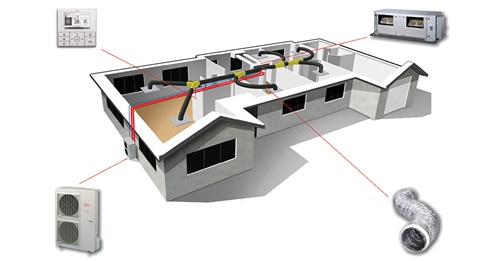
Only cool the room or rooms that are being used. It makes sense not to waste power cooling rooms that are empty, particularly if they’re not in use for long periods of time during the day when kids are at school or parents are working. This helps the main areas of the home to cool down faster, reducing energy consumption. If you live in a large home, installing a GENERAL (formerly Fujitsu General) ducted air conditioning system with optional zone control allows individual areas to be cooled as desired. Using this feature can greatly reduce ongoing ducted running costs by limiting the number of areas that are cooled at any one moment.
When you’re calculating the running costs of your air conditioner in Australia, you should know how much you will use the unit and the amount of energy it uses. Additionally, the use of any features or settings for your air conditioner, such as zoning, should be factored into your calculations. When creating cooling zones, closing doors or shutting off access to rooms or areas that aren’t being used helps direct cool air where it’s needed most.
5. Insulate and seal the home
A home without insulation forces your air conditioning system to work harder. Ceiling insulation can cut your energy use by up to 45%*, which makes it a worthwhile investment. If you’re unsure if you have ceiling insulation, the best way to check is to inspect your ceiling cavity. With the price of energy set to rise, installing insulation now will keep your home cooler during summer and can help to reduce excessive energy bills in the future.
If you already have insulation or you live in an apartment, sealing the home is another way to keep the cool air in the home and is much more affordable. Make sure all doors and windows are kept closed while the unit is on. Fill small gaps and cracks around windows with sealant, and seal draughts under doors with weather strips or draught stoppers. A well-sealed and well-insulated home will keep the cool air inside for longer, allowing the air conditioning system to work efficiently.
*https://www.yourhome.gov.au/passive-design/insulation
How Much Does Aircon Cost to Run Per Hour in Summer?
Running your air conditioner in summer doesn’t have to be a guessing game. If you’re wondering how much does aircon cost per hour, you can estimate the running cost using a simple formula:
Input Power (kW) × electricity tariff ($/kWh) = approximate cost per hour
Example: Typical 7kW Air Conditioner
System Size: 7kW
Input Power: 2.2 kW
Electricity rate: $0.29 per kWh (AUD)
Calculation:
2.2 × 0.29 = ~$0.64 per hour
This represents the cost at full load, rated capacity.
Real-World Running Costs Are Usually Lower
Most modern air conditioners use inverter technology, which means they don’t run at rated capacity all the time. Once the desired temperature is reached, the system reduces its output to maintain it efficiently.
As a result, actual running costs are often significantly lower than the maximum hourly estimate.
How Star Ratings Impact Running Costs
Energy efficiency plays a key role in how much your air conditioner costs to run. Generally, air conditioners with higher star ratings are more energy efficient than comparable models, meaning they can use less electricity to deliver the same level of cooling.
Under the Zoned Energy Rating Label (ZERL), you can compare an air conditioner’s energy efficiency and estimated energy use across different climate zones. Choosing a higher-rated, appropriately sized system can help reduce energy consumption and running costs over time.
Stay Cool While Keeping Your Energy Costs Under Control
Knowing which mode is best for AC in summer and setting a consistent temperature are straightforward ways to balance comfort and efficiency. Small changes, like maintaining a moderate temperature, using timers and scheduling regular maintenance, can extend the life of your system while lowering running expenses.
If you’d like tailored advice on the best settings for your GENERAL unit or need to book a professional AC maintenance appointment, our team is here to help. Simply contact us for personalised advice to keep your home comfortable all year round.

Helpful Articles
Helpful articles and tips on how to keep your home and office comfortable all year round.
.tmb-tmb420.jpg?sfvrsn=5c4be2e1_1)