Affordable Air Conditioning: Key Tips to Reduce Your Cooling Costs
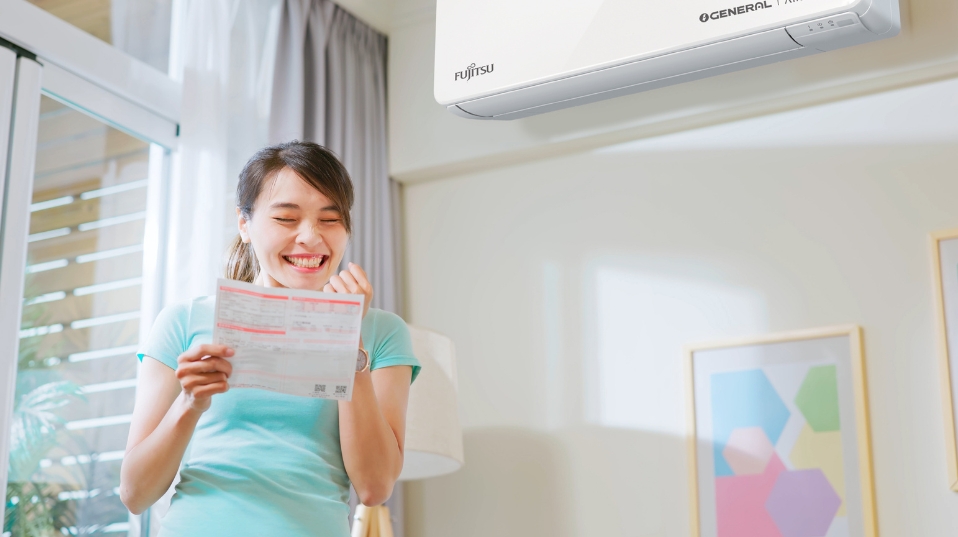
Affordable air conditioning is about more than just the upfront price of a system. It’s about keeping your home comfortable while managing ongoing cooling costs. By using your air conditioner more effectively, choosing the right settings and making small adjustments around the home, you can reduce energy use without sacrificing comfort. From temperature control and airflow management to smarter daily habits, there are practical ways to reduce power bills using your existing air conditioning system. This guide breaks down simple, achievable AC energy saving tips to help make cooling your home more affordable.
What makes air conditioning truly affordable?
True air conditioning affordability comes from a combination of efficient operation and lower ongoing energy bills, particularly during peak cooling periods. Even a high-quality system can become expensive if it’s used inefficiently.
Simple adjustments like setting the right temperature, cooling only the rooms you are using and making the most of smart features can make an impact on your power bills.
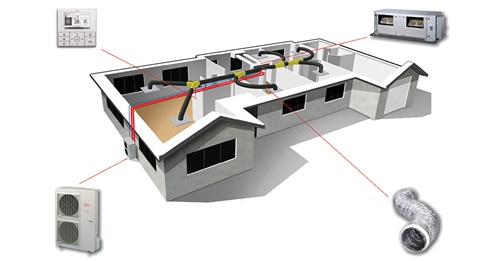
Whether you are using split systems or whole-home residential air conditioning, understanding how you use your system is key to keeping cooling costs under control.
Are modern air conditioners more efficient than older systems?
Yes, modern air conditioners are generally more efficient than older systems, due to improved features and advanced technology designed to improve operation. Many older units run at a fixed output, switching fully on and off to reach the set temperature. This can lead to higher energy use and uneven comfort. In contrast, newer systems use inverter technology to adjust output in real time, delivering more consistent temperatures while using less power.
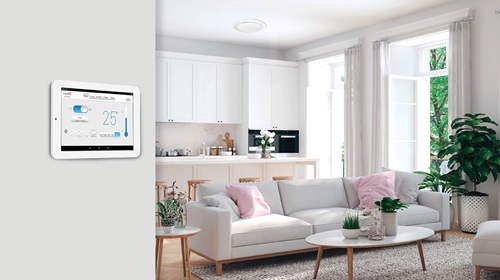
While upgrading isn’t always necessary straight away, improved efficiency plays a key role in affordable air conditioning for the long term. Features found in Wi-Fi controllers, such as app-based control and scheduling, also make it easier to manage usage and avoid unnecessary energy consumption.
Is it more cost-efficient to leave the AC on or turn it off?
The rising power costs have had people asking, does switching the AC on and off cost more? Regardless of the type of air conditioning system, it’s more affordable to turn the AC unit off when it’s not needed rather than leaving it running all day.
Running the air conditioning system continuously to maintain a set temperature in an empty home typically uses more electricity than cooling the space only when it’s occupied.
For example, switching the AC system off while you’re at work and turning it back on when you get home is usually cheaper than letting it run all day. Modern air conditioners are also built to cycle on and off safely without causing damage or overloading the system.
If your focus is on comfort, on extremely hot days, using timers or scheduling the unit to start shortly before you arrive home can help keep your property cool while avoiding unnecessary energy use.
How can I make my air conditioner use less electricity? Our top air conditioner power-saving tips
You can reduce air conditioning costs without upgrading your system by making a few simple changes to how you use it. These practical air conditioner saving tips can help lower your power bills while keeping your home comfortable:
Set your air conditioner to the optimal AC temperature. Avoid very low settings that increase energy use.
Cool only the rooms you’re using by closing doors to unused spaces.
Close blinds or curtains during the day to block heat from the sun.
Use AC auto mode to allow the system to adjust cooling based on room conditions.
Use ceiling or pedestal fans to help circulate cool air more efficiently.
Keep air filters clean to maintain airflow and prevent the system from working harder than necessary.
Seal gaps and draughts around doors and windows. This helps keep cool air inside and prevents warm air from entering the home.
Use timers or scheduling features. Set your air conditioner to turn off when you are asleep or away, so it is not running longer than needed.
Small, consistent habits like these can make an impactful difference that can lower energy bills over time.
When upgrading can make air conditioning more affordable
If you are using an older air conditioning system, upgrading to a newer one can sometimes be the more affordable choice. Older units often rely on fixed-speed operation and lack modern controls, which can result in higher energy use and uneven cooling. As electricity costs add up year after year, the ongoing expense of running an ageing system may outweigh the upfront cost of an upgrade.
Modern air conditioners are designed to operate more efficiently by adjusting output to match real-time conditions, rather than running at full capacity unnecessarily. This smoother, more controlled operation can significantly reduce energy consumption, particularly in homes that rely on cooling for long periods. Improved temperature control and smarter features also make it easier to manage when and how your system runs, helping to avoid wasted energy.
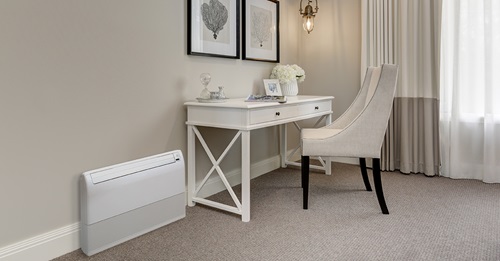
If your current system is struggling to keep up or driving up power bills, upgrading could deliver better comfort and lower running costs in the long term. From single room air conditioners to multiple room air conditioners, reducing energy consumption is a key focus across the General Airstage (formerly Fujitsu) range.
By making a few simple changes and following these air conditioning efficiency tips can make a difference in managing and reducing your power bills. If you need assistance with affordable air conditioning for your home, use the General Assist (formerly Fujitsu General Assist) Product Selector Tool or contact GENERAL Australia (formerly Fujitsu General) on 1300 364 484 to speak with our customer service team.

Helpful Articles
Helpful articles and tips on how to keep your home and office comfortable all year round.
.tmb-tmb420.jpg?sfvrsn=5c4be2e1_1)